

Sale
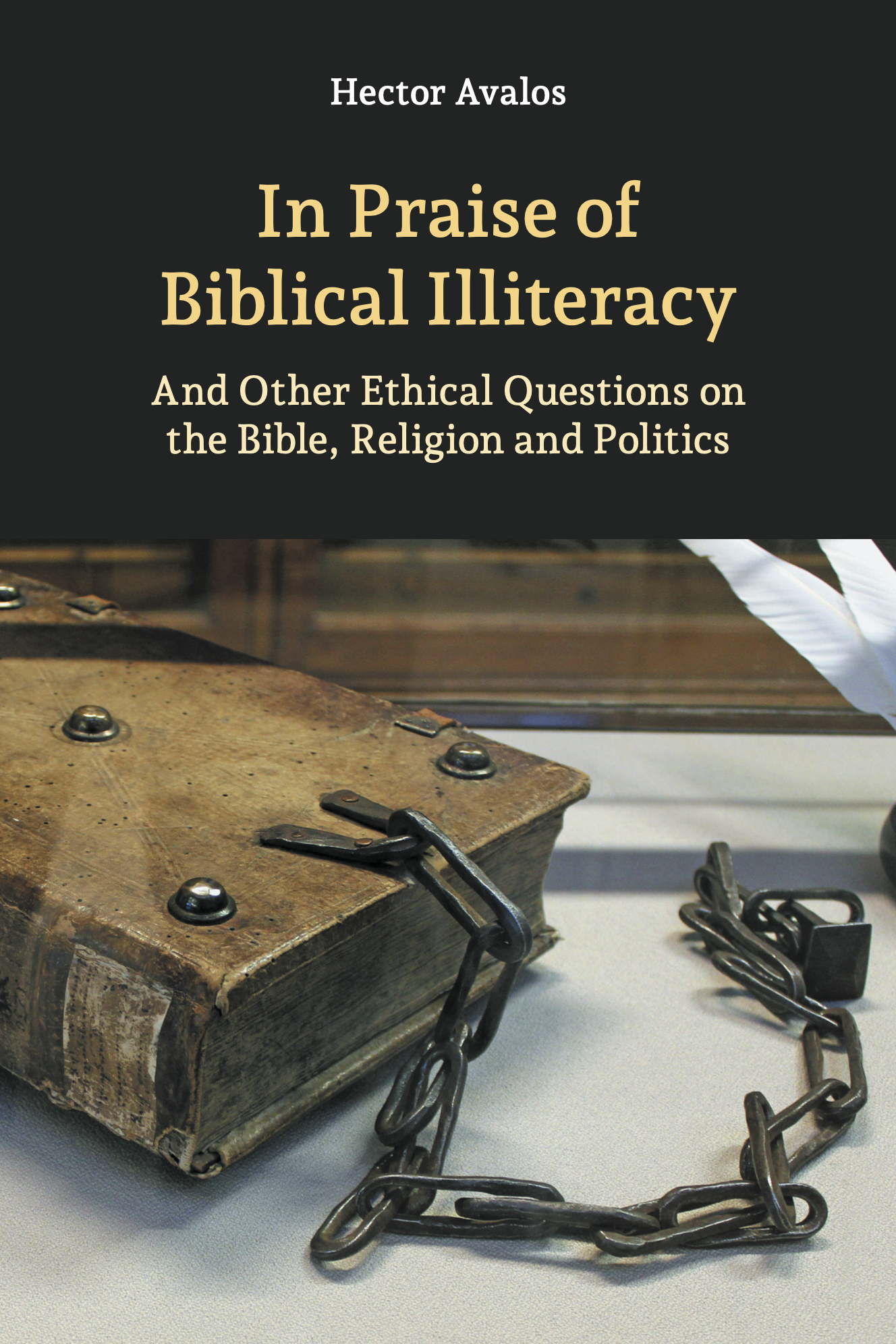
In Praise of Biblical Illiteracy and Other Ethical Questions on the Bible, Religion and Politics
Published: Dec 2026
Original price was: £110.00.£50.00Current price is: £50.00.
In Praise of Biblical Illiteracy brings together the bold, provocative, and deeply reasoned writings of the late Dr. Hector Avalos, longtime professor of Religious Studies at Iowa State University. A biblical scholar, a publicly engaged atheist, and a beloved teacher, Avalos devoted his career to asking questions that others too often avoided—about the authority of the Bible, the uses and misuses of religion in public life, and the ethical costs of unexamined faith.
From the first chapter—which lends its name to this volume—and across decades of essays, articles, and public commentary, Avalos challenges both scholars and lay readers to think critically about the role biblical texts play in shaping culture and politics. With both clarity and wit, he dismantles claims of biblical exceptionalism, exposes the dangers of Christian nationalism, and highlights the ways religion has often worked to marginalize or disenfranchise vulnerable communities.
Yet Avalos’s writing is not merely critical—it is constructive. He insists that honest engagement with the Bible and with religious traditions can create the space to consider more just and humane ways of living together. In his writings, he also offers opportunities to reflect upon a most important question: namely, as to whether ancient texts should guide twenty-first-century ethics and policy in a Constitutional republic.
This collection shows Avalos as a scholar both fearless in his critique and generous in his teaching. It includes articles written for the University of Arizona’s ‘Bible & Interpretation’, as well as op-eds that appeared in The Des Moines Register and The Ames Tribune among others. Whether confronting the political weaponization of scripture, questioning the moral claims of religious institutions, or urging readers to embrace secular humanist values, Avalos’s work remains urgent and illuminating.This volume is a testament to the enduring relevance of Avalos’s thought—and a challenge to all who care about the intersection of faith, reason, and the public good.
The volume was collated and edited by former students Richard McCarty, Adam Meseke and Janine Putnam.
Sale
In Praise of Biblical Illiteracy and Other Ethical Questions on the Bible, Religion and Politics
Original price was: £110.00.£50.00Current price is: £50.00.
In Praise of Biblical Illiteracy brings together the bold, provocative, and deeply reasoned writings of the late Dr. Hector Avalos, longtime professor of Religious Studies at Iowa State University. A biblical scholar, a publicly engaged atheist, and a beloved teacher, Avalos devoted his career to asking questions that others too often avoided—about the authority of the Bible, the uses and misuses of religion in public life, and the ethical costs of unexamined faith.
From the first chapter—which lends its name to this volume—and across decades of essays, articles, and public commentary, Avalos challenges both scholars and lay readers to think critically about the role biblical texts play in shaping culture and politics. With both clarity and wit, he dismantles claims of biblical exceptionalism, exposes the dangers of Christian nationalism, and highlights the ways religion has often worked to marginalize or disenfranchise vulnerable communities.
Yet Avalos’s writing is not merely critical—it is constructive. He insists that honest engagement with the Bible and with religious traditions can create the space to consider more just and humane ways of living together. In his writings, he also offers opportunities to reflect upon a most important question: namely, as to whether ancient texts should guide twenty-first-century ethics and policy in a Constitutional republic.
This collection shows Avalos as a scholar both fearless in his critique and generous in his teaching. It includes articles written for the University of Arizona’s ‘Bible & Interpretation’, as well as op-eds that appeared in The Des Moines Register and The Ames Tribune among others. Whether confronting the political weaponization of scripture, questioning the moral claims of religious institutions, or urging readers to embrace secular humanist values, Avalos’s work remains urgent and illuminating.This volume is a testament to the enduring relevance of Avalos’s thought—and a challenge to all who care about the intersection of faith, reason, and the public good.
The volume was collated and edited by former students Richard McCarty, Adam Meseke and Janine Putnam.
Sale
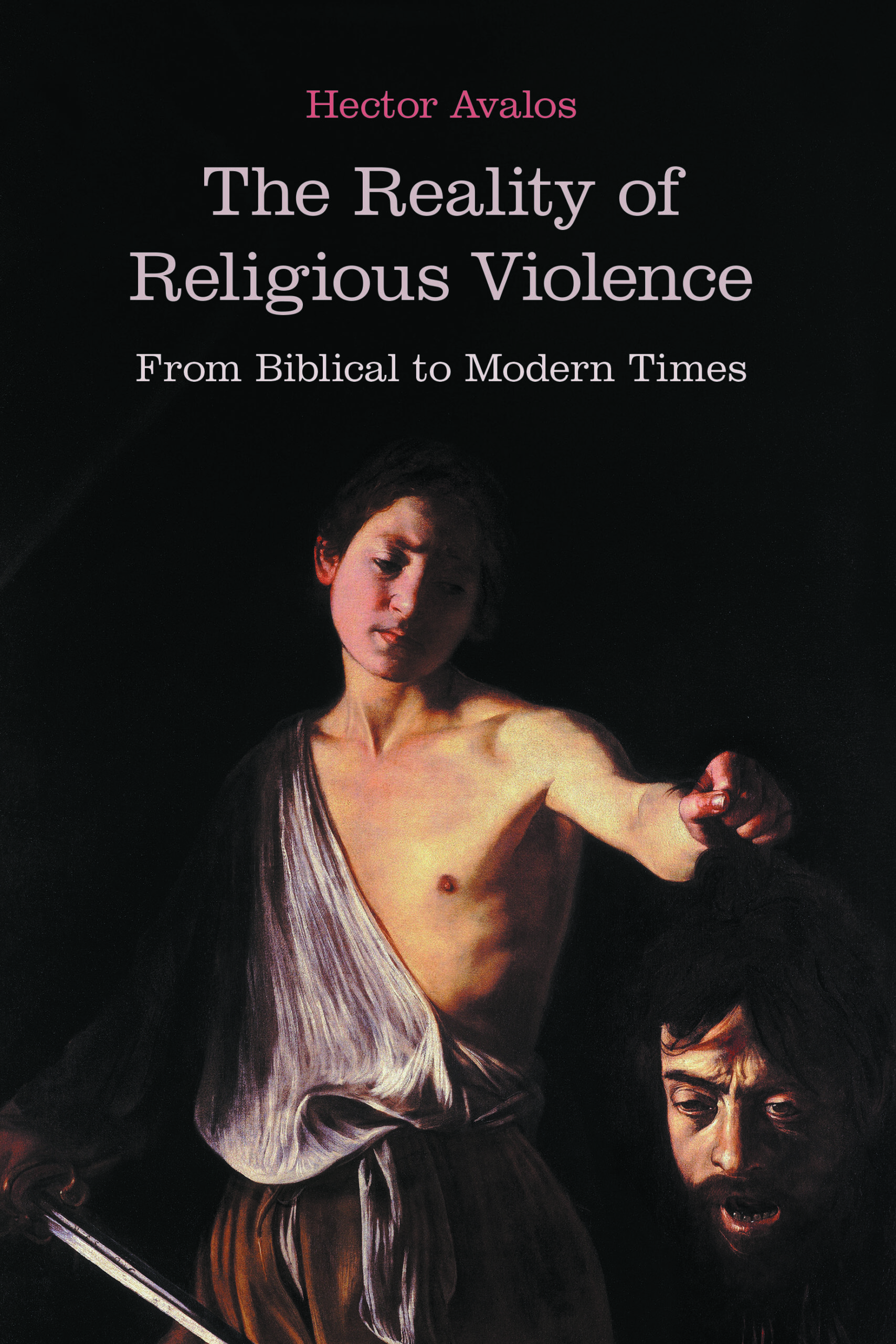
The Reality of Religious Violence: From Biblical to Modern Times
Published: Sep 2019
Original price was: £90.00.£42.00Current price is: £42.00.
This book addresses two major questions: 1. Does religious violence exist? 2. If so, how is it different from other types of violence?
Sale
The Reality of Religious Violence: From Biblical to Modern Times
Original price was: £90.00.£42.00Current price is: £42.00.
This book addresses two major questions: 1. Does religious violence exist? 2. If so, how is it different from other types of violence?
Sale
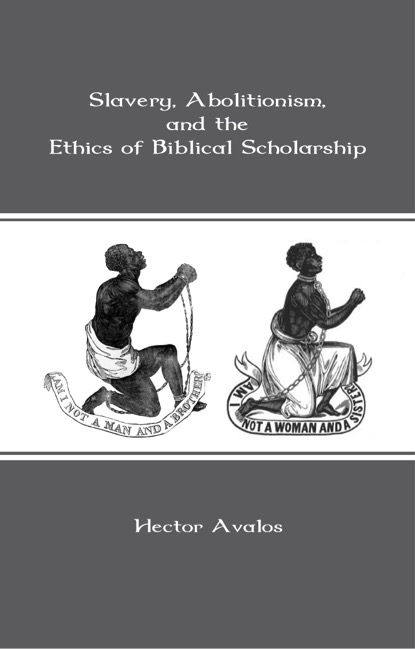
Slavery, Abolitionism, and the Ethics of Biblical Scholarship
Published: May 2013
Price range: £22.00 through £40.00
In this immensely wide-ranging and fascinating study, Avalos critiques the common claim that the abolition of slavery was due in large part to the influence of biblical ethics. Such a claim, he argues, is characteristic of a broader phenomenon in biblical scholarship, which focuses on defending, rather than describing, the ethical norms encountered in biblical texts.
The first part of Avalos's critique explores how modern scholars have praised the supposed superiority of biblical ethics at the cost of diminishing or ignoring many similar features in ancient Near Eastern cultures. These features include manumission, fixed terms of service, familial rights, and egalitarian critiques of slavery. At the same time, modern scholarship has used the standard tools of biblical exegesis in order to minimize the ethically negative implications of many biblical references to slavery.
The second part of the book concentrates on how the Bible has been used throughout Christian history both to maintain and to extend slavery. In particular, Avalos offers detailed studies of papal documents used to defend the Church's stance on slavery. Discussions of Gregory of Nyssa, Aquinas and Luther, among others, show that they are not such champions of freedom as they are often portrayed.
Avalos's close readings of the writings of major abolitionists such as Granville Sharp, William Wilberforce and Frederick Douglass show an increasing shift away from using the Bible as a support for abolitionism. Biblical scholars have rarely recognized that pro-slavery advocates could use the Bible just as effectively. According to Avalos, one of the complex mix of factors leading to abolition was the abandonment of the Bible as an ethical authority. The case of the biblical attitude to slavery is just one confirmation of how unsuitable the Bible is as a manual of ethics in the modern world.
Sale
Slavery, Abolitionism, and the Ethics of Biblical Scholarship
Price range: £22.00 through £40.00
In this immensely wide-ranging and fascinating study, Avalos critiques the common claim that the abolition of slavery was due in large part to the influence of biblical ethics. Such a claim, he argues, is characteristic of a broader phenomenon in biblical scholarship, which focuses on defending, rather than describing, the ethical norms encountered in biblical texts.
The first part of Avalos's critique explores how modern scholars have praised the supposed superiority of biblical ethics at the cost of diminishing or ignoring many similar features in ancient Near Eastern cultures. These features include manumission, fixed terms of service, familial rights, and egalitarian critiques of slavery. At the same time, modern scholarship has used the standard tools of biblical exegesis in order to minimize the ethically negative implications of many biblical references to slavery.
The second part of the book concentrates on how the Bible has been used throughout Christian history both to maintain and to extend slavery. In particular, Avalos offers detailed studies of papal documents used to defend the Church's stance on slavery. Discussions of Gregory of Nyssa, Aquinas and Luther, among others, show that they are not such champions of freedom as they are often portrayed.
Avalos's close readings of the writings of major abolitionists such as Granville Sharp, William Wilberforce and Frederick Douglass show an increasing shift away from using the Bible as a support for abolitionism. Biblical scholars have rarely recognized that pro-slavery advocates could use the Bible just as effectively. According to Avalos, one of the complex mix of factors leading to abolition was the abandonment of the Bible as an ethical authority. The case of the biblical attitude to slavery is just one confirmation of how unsuitable the Bible is as a manual of ethics in the modern world.